
Pest Control Lexington KY
Best Pest Exterminator near me
Lexington pest control starts with an inspection of the pest, the building, and the conditions that let it stay. You get a quote before any treatment.
- Homes and businesses in Lexington and the nearby Bluegrass
- The applicator is identified before any treatment
- Call now to book a visit
Request a visit
Tell us the city, the pest if you know it, and a phone number. A person confirms whether the address is in the service area.
What Lexington pest control can cover
Each card opens a longer page. The summaries below are the short version.
Cockroach control
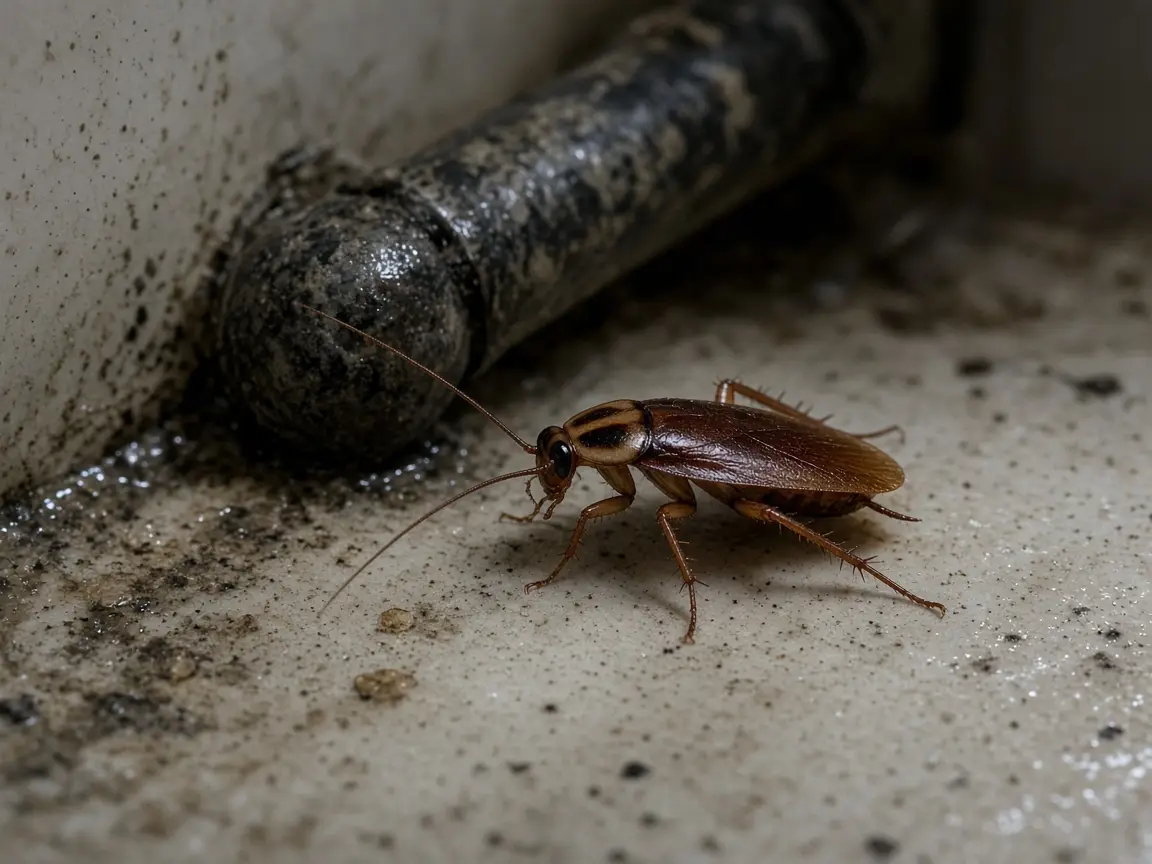
Kitchen and bath harborages, including German roaches in multifamily buildings.
Learn more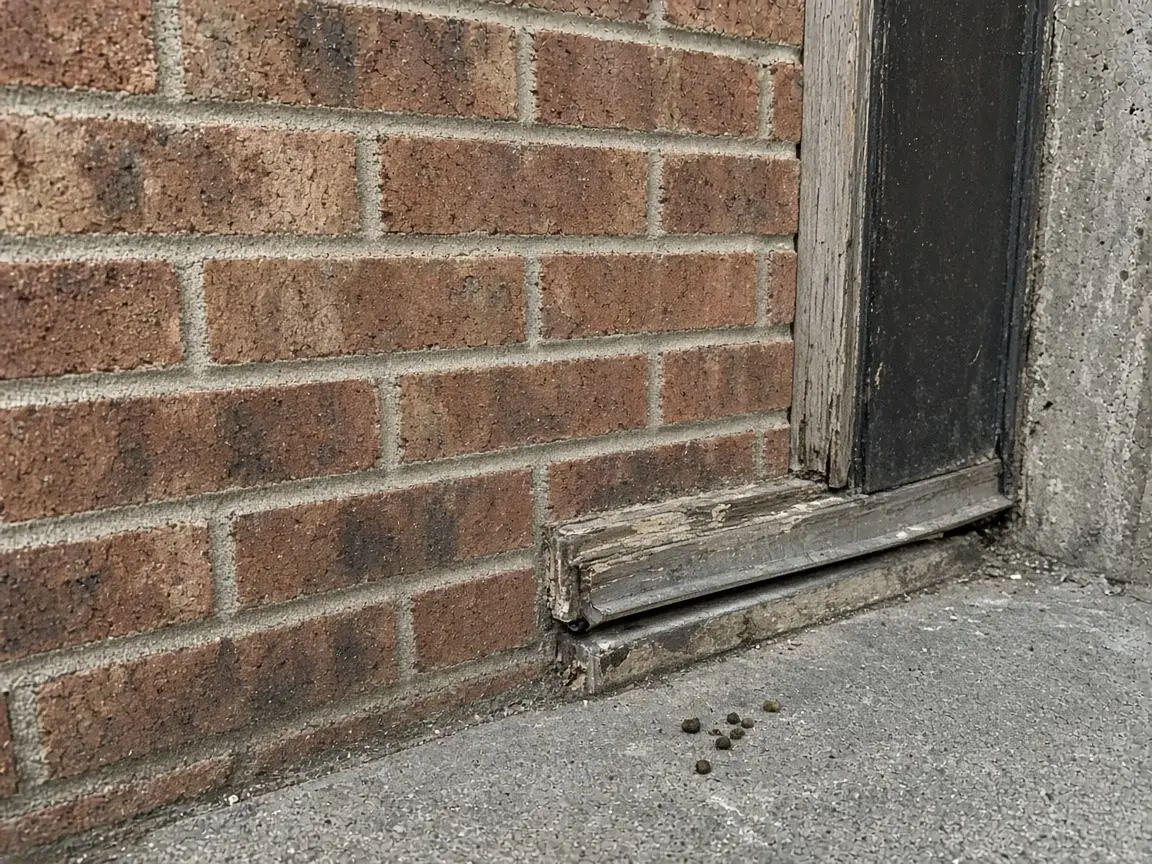
Rodent control
Mice and rats, entry gaps, exclusion, and monitoring. Wildlife stays off this list.
Learn more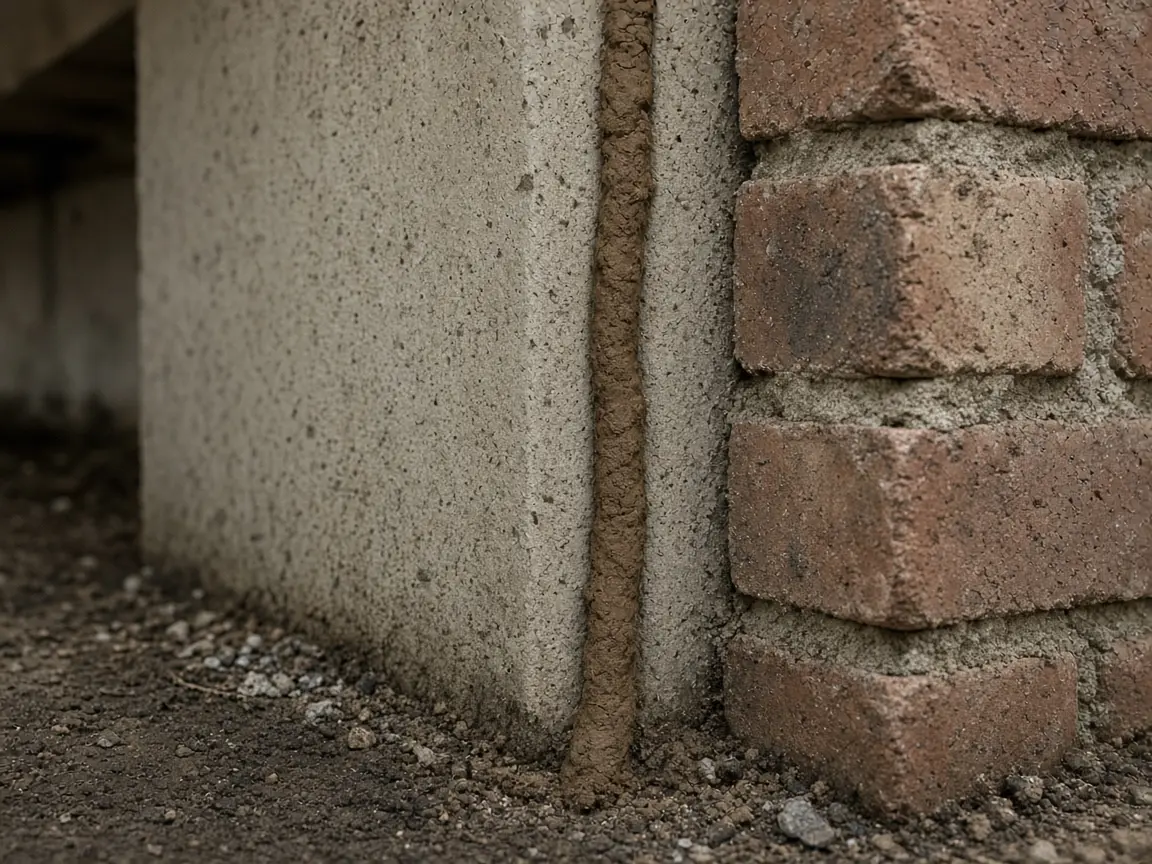
Local pest problems signs in Lexington
Yard reduction, standing water, and what a visit cannot eliminate.
Learn more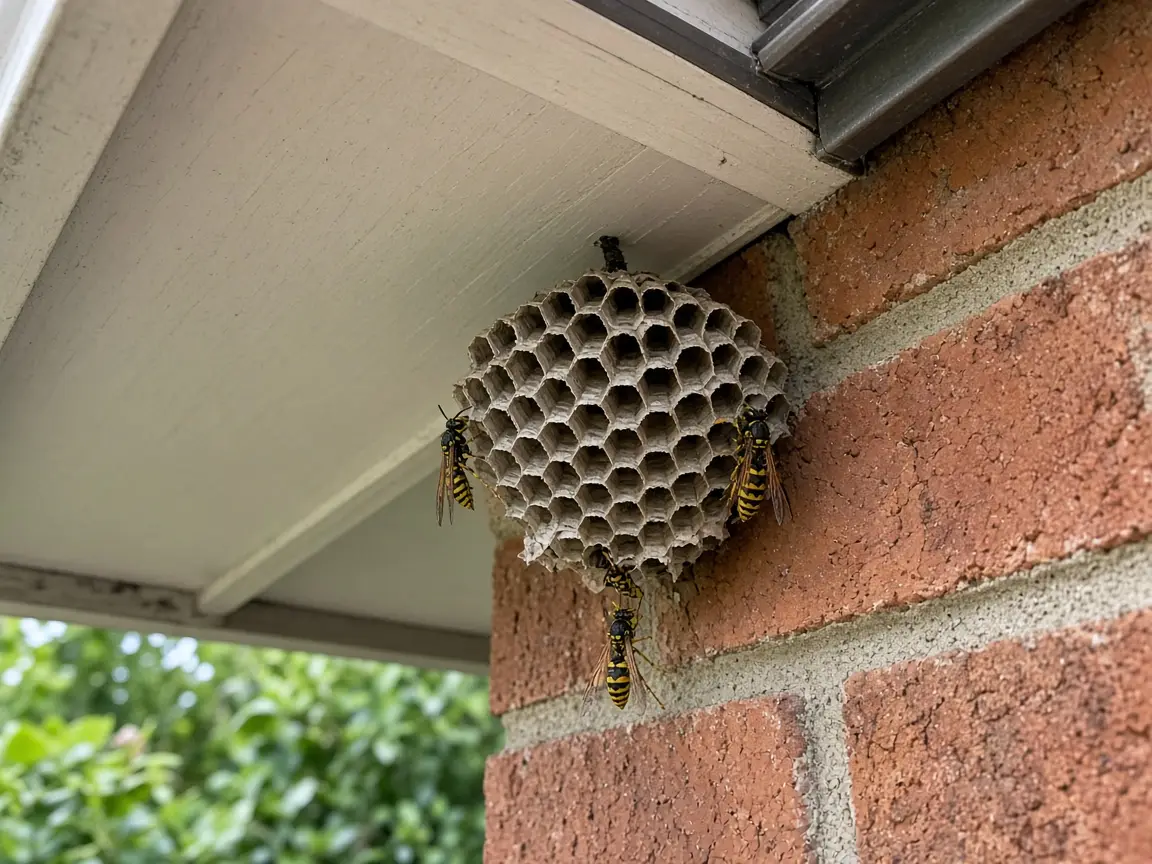
What happens when you call
Lexington pest control here means an inspection-led visit in Lexington, Kentucky, and a short list of nearby Bluegrass cities.
The person who calls hears a few questions first: what you are seeing, where in the building it is, whether the property is a house, a rental, or a business, and whether anyone in the building is sensitive to a particular kind of product.
Those answers decide whether a visit is the right next step. They do not decide the treatment by themselves.
Use the contact page and that path starts: the problem is identified as far as the evidence allows, the property is inspected, the work is quoted, and follow-up is scheduled when the pest requires it.
A call does not mean a technician is already in a truck outside.
The person who answers sets the first open visit time with a local technician and tells you when that is before you decide.
If you are a renter, say so. The person who can approve an interior treatment is often the property owner or the manager, not the person who found the insects.
If you manage a restaurant, an office, a warehouse, or a multifamily building, say which one. Access, documentation, and the hours the building is empty change the visit.
Wildlife removal, fumigation, and work that requires a food-plant or school certification are not offered here.
Kentucky law requires a license to engage in commercial structural pest control. The Kentucky Department of Agriculture administers that license under KRS Chapter 217B and 302 KAR 29:050.
Ask for the applicator's license number and verify it with that department. The applicator who performs a visit is identified before treatment, and you approve the scope before work starts.
Signs, and why one clue is not a diagnosis
People usually call after they see one thing: a line of ants, a roach when the light comes on, specks on a mattress, a noise in a wall, or wings on a windowsill in spring.
Each of those can be a real problem. Each of them can also be something else. A photograph or a web list of symptoms cannot confirm the species or the size of an infestation.
The inspection exists because the first clue is incomplete.
Droppings are a common starting point and a common source of confusion. Mouse droppings are small, dark, and pointed. Rat droppings are larger and more blunt.
Cockroach droppings can look like pepper, coffee grounds, or short dark smears, depending on the species and the surface. Termite droppings, when drywood termites are involved, are hard pellets.
Eastern subterranean termites, the structural termite that matters in Kentucky, do not leave that pellet pile.
They are more often revealed by mud tubes, swarmers, or damaged wood that stays hidden until it is probed.
A pile of "droppings" in an attic can be bat or bird waste, old insulation, or rodent evidence.
The cleanup advice is not the same for each, and this page does not give a universal cleanup recipe.
Trails tell you that insects are moving between a resource and a harborage.
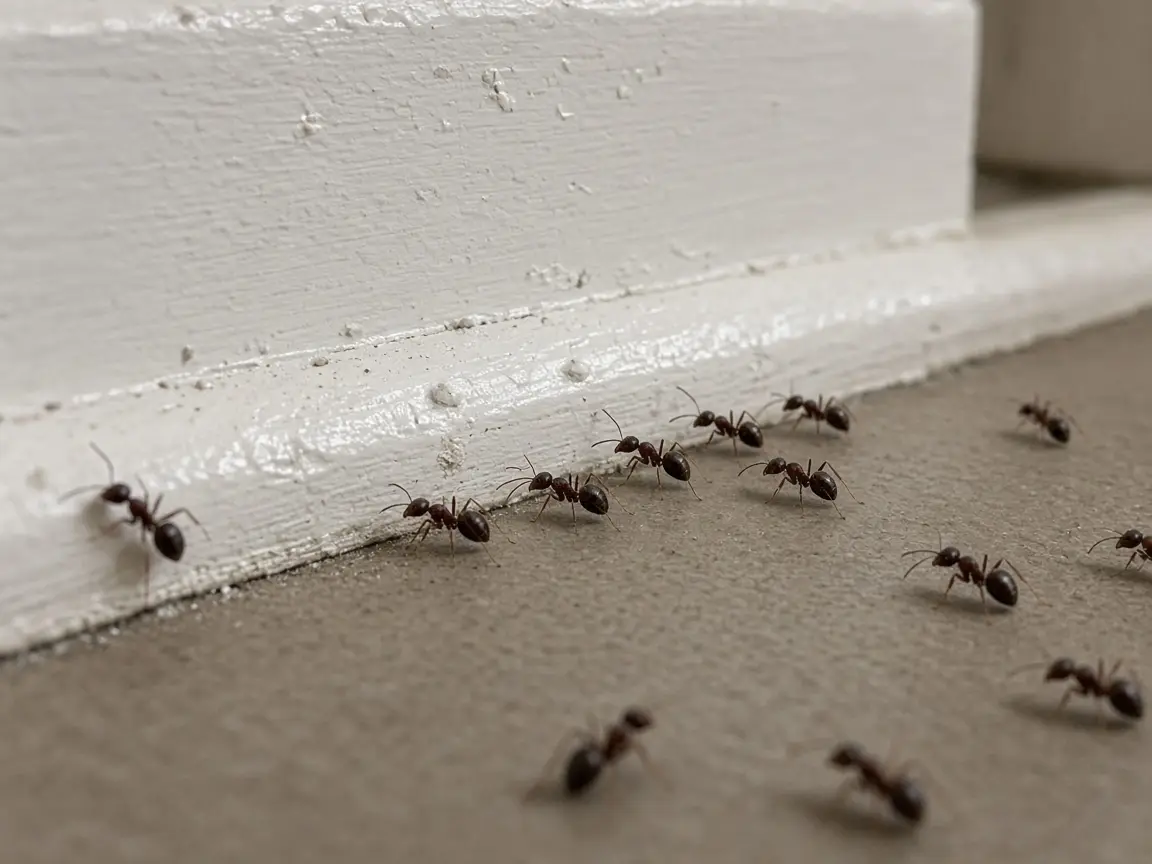
An ant trail along a baseboard means the ants have a route, not that you already know the species or the nest.
A grease mark along a wall can be a cockroach route in a kitchen that has been active for a while.
Neither mark tells you whether the source is inside your unit or next door.
Cast skins, wings, and egg cases are leftovers, not the insects themselves. German cockroaches leave egg cases that are small and purse-shaped. Swarming ants and swarming termites both drop wings indoors.
Ants have a pinched waist, elbowed antennae, and wings of unequal length when they still have them. Subterranean termite swarmers have a straighter waist, straighter antennae, and wings of roughly equal length.
Those differences matter because a carpenter ant colony and a termite colony are different jobs. A crushed insect on a sill is a poor specimen.
Save a few intact insects in a closed container if you can do that safely, and do not spray them into paste before anyone looks.
Sounds in walls and ceilings are easy to over-read. Mice can scratch and squeak. Larger animals can too, and wildlife removal is outside this service.
Squirrels, raccoons, and bats are not handled as a rodent-control add-on.
If the noise is in a chimney, an attic with a torn vent, or a place a person cannot safely enter, say that on the call.
The inspection may stop at the point where another trade or a wildlife permit is required.
Moisture is evidence even when you have not seen a pest.
A musty crawl space, a sweating pipe, a leaking trap, or a basement corner that stays damp is a reason insects and rodents persist after a spray.
In Lexington's older limestone and brick houses, that moisture is often in a crawl space, a basement, or a porch addition.
In newer slab neighborhoods it may be a garage corner, a patio drain, or irrigation hitting the foundation. The building tells the inspector where to look.
A single photo of a bug on a counter does not.
Bites and rashes are the least reliable clue on this list.
Many skin reactions are blamed on spiders, bed bugs, or fleas when the cause is something else entirely, including dry skin, other insects, or a medical issue this company does not diagnose.
Bed bugs can leave clustered marks, and they can also leave none that you notice. Fleas often bite ankles. Mosquitoes bite exposed skin outdoors. None of that is a diagnosis.
If someone is having a severe reaction, that is a medical question, not a pest-control question to settle from a website.
Damage to wood can be termites, carpenter ants, a water leak, or old fungal decay. Carpenter ants excavate galleries that look clean and may contain frass that resembles sawdust.
Subterranean termites tend to leave mud in or on the wood and build shelter tubes from the soil. A water-stained joist can look dramatic and still have no insects.
Probing, moisture readings where they are useful, and a look at the soil contact are part of telling those apart. An online photo of "termite damage" is not enough to buy a termite treatment.
The pests an inspection actually separates
Lexington pest control is not one spray for every insect that can appear in Fayette County. The useful index is the set of problems that change the inspection.
Ants, cockroaches, mice and rats, eastern subterranean termites, bed bugs, spiders, mosquitoes and ticks, wasps, and fleas each get a page because the visit is different.
Occasional invaders such as stink bugs, cluster flies, silverfish, and pantry pests are explained here and on the closest service page. They do not each need a doorway of their own.
Ants
Ants in a Lexington kitchen are often odorous house ants or pavement ants following a food film or a moisture source. Carpenter ants are the ants that get confused with termites.
They nest in damp wood, including porch columns, window trim, and firewood stacked against the house, and they may travel a long way from the nest to a kitchen.
A trail on the counter is not proof of carpenter ants.
Sawdust-like frass, a hollow sound in trim, and large black ants moving at night are reasons to inspect wood, not reasons to assume the structure is being eaten the way a termite colony eats it.
The ant control page covers how those inspections differ.
Cockroaches
German cockroaches live indoors, often in kitchens and baths, and they do well in multifamily buildings where units share walls and plumbing.
American cockroaches are larger and are more often associated with sewers, floor drains, basements, and steam tunnels.
Seeing one large roach in a basement is not the same finding as a breeding population behind a refrigerator. Sanitation reduces harborage and food.
It does not, by itself, end an established German cockroach population in a building with many kitchens. Details are on the cockroach control page.
Mice and rats
House mice can live in a wall void on a remarkably small amount of food. Norway rats are larger and more often associated with burrows, sewers, and heavier gnawing.
Both can enter through gaps you can underestimate: a worn door sweep, a gap where a pipe meets brick, a dryer vent without a screen, an attic soffit.
Exclusion is part of rodent work because trapping without closing the openings invites the next animal. We do not expand "rodent" into raccoons, squirrels, or bats.
Read the rodent control page for the difference between droppings, rub marks, and a gap that only looks suspicious.
Termites
The structural termite discussed for Lexington is the eastern subterranean termite. Colonies live in the soil and enter wood that touches soil or that they can reach through shelter tubes and foundation cracks.
Spring swarmers on a windowsill are a reason to inspect, not a reason to treat every board in the house at once.
Mud tubes on a foundation, pier, or expansion joint are stronger evidence and still need to be distinguished from old tubes and from roots or mortar debris.
Drywood termites are not the default Kentucky structural pest, so a drywood treatment is not the usual answer for Fayette County houses. The termite page separates inspection from treatment.
Bed bugs
Bed bugs hide in mattress seams, bed frames, headboard joints, baseboards, and luggage. They are not a sign that a home is dirty.
In Lexington they show up in houses, in apartments near the University of Kentucky, and in other multifamily buildings, because people and furniture move. A bite is not confirmation.
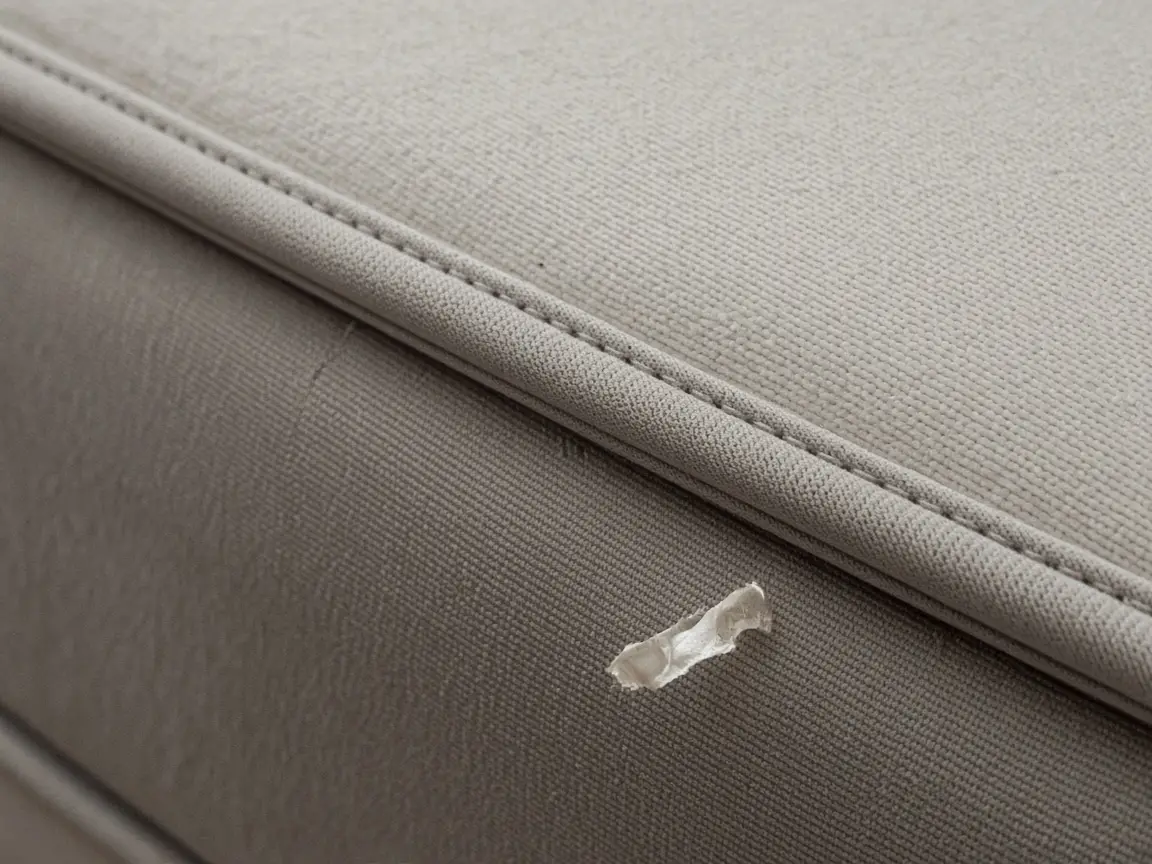
Dark specks, shed skins, and live insects in a seam are better evidence, and they still need a person who knows where else to look.
One visit is not a promise. Preparation instructions depend on the method actually used. The bed bug page explains what the inspection covers and why home heat treatment is not advised.
Spiders, wasps, fleas, mosquitoes, and the occasional invader
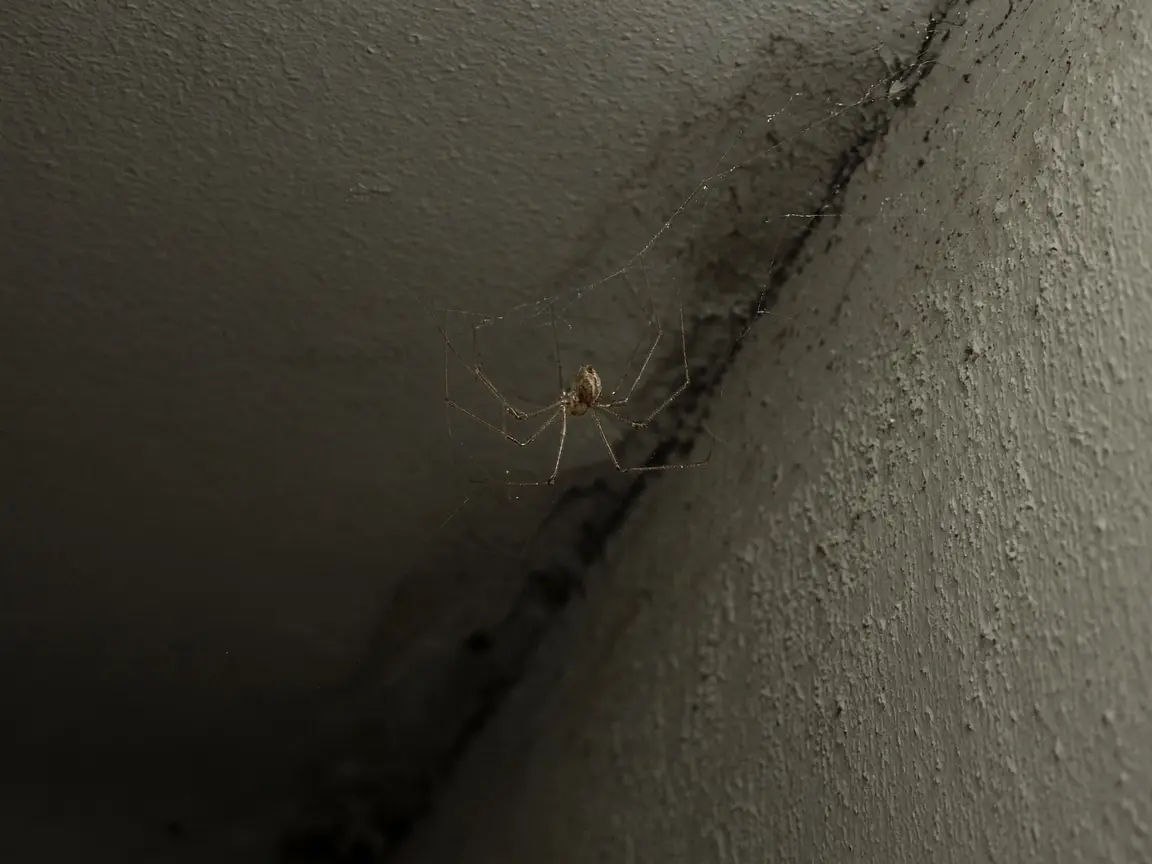
Most spiders in a Lexington basement are harmless hunters or web builders living on other insects. Brown recluse spiders occur in Kentucky. The violin mark is not a reliable field identification by itself.
A recluse has six eyes arranged in three pairs, and even that is hard to see without magnification and a specimen in good condition.
A bite is a question for a doctor, and a spider in a photo is not confirmed as a recluse without a look.
Wasps, hornets, and yellowjackets are a nest-location problem: an eave, a ground cavity, or a wall void are different jobs, and sealing a hole while insects are still inside pushes them indoors.
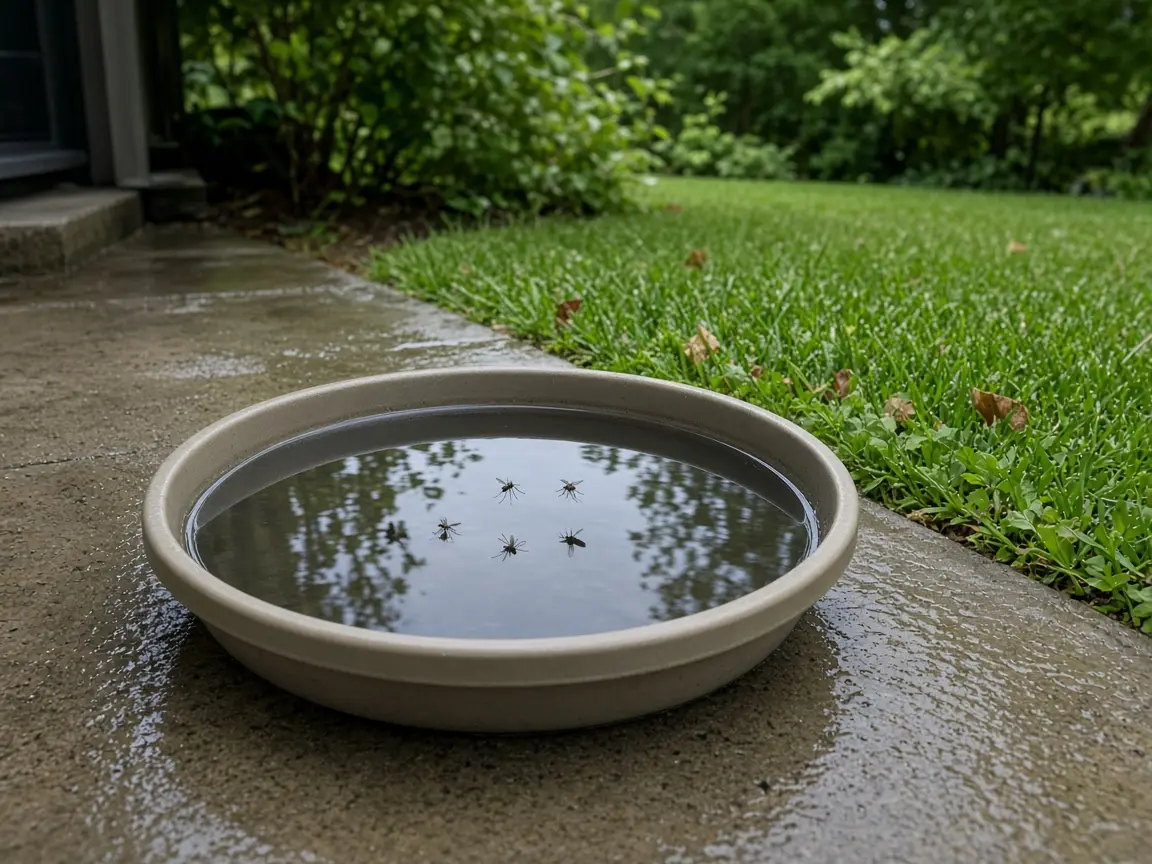
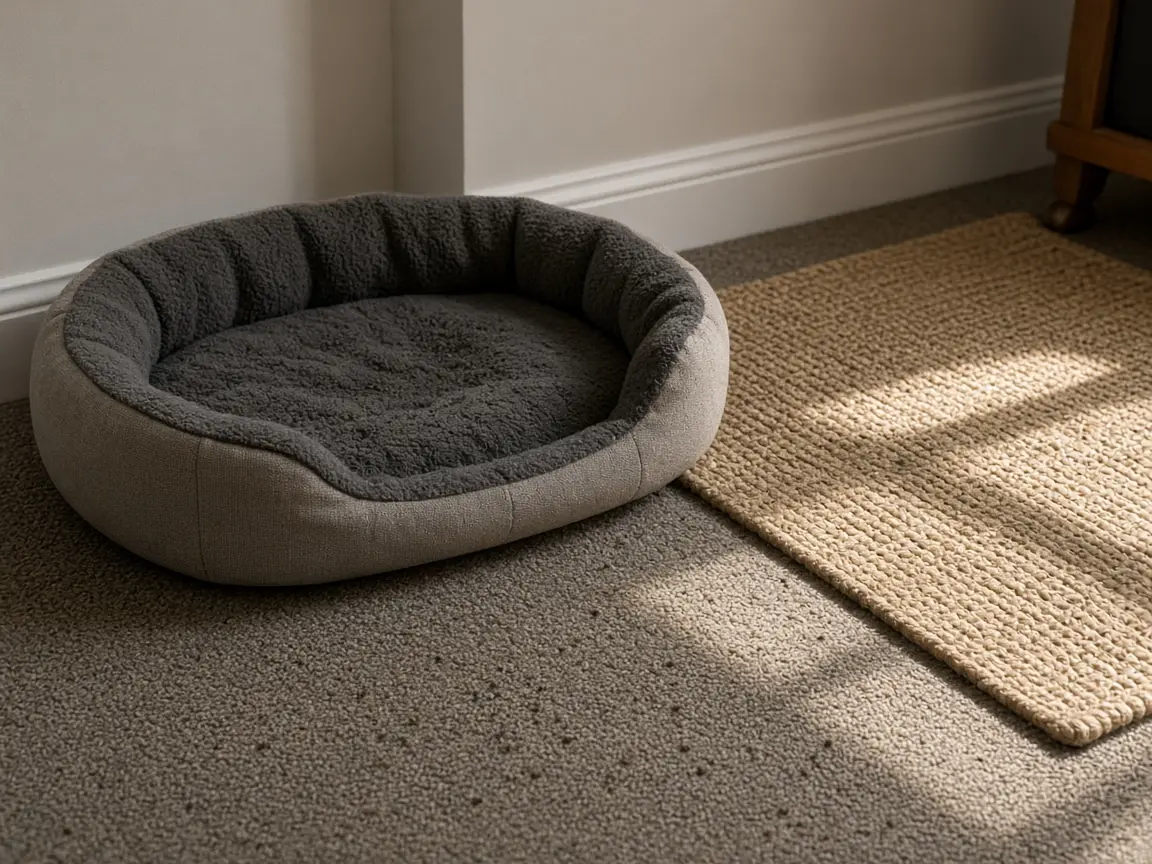
Fleas are tied to pets and to the immature stages in rugs and pet bedding. Local pest problems signs in Lexington are a yard and habitat problem. The goal is reduction, not a mosquito-free summer.
Stink bugs and cluster flies gather on sun-warmed walls in fall and winter. Silverfish like damp baths and basements. Pantry moths and beetles live in stored food.
Those are inspection questions, not separate brands of service.
The deeper pages are spiders, wasps, fleas, and mosquitoes and ticks.
How an inspection becomes a plan
The visit starts with the account you gave on the phone and then checks it against the building.
The inspector asks what has already been tried, including store products, because recent sprays change what is visible and can scatter German cockroaches or bed bugs.
Pets, aquariums, children's rooms, and food-preparation areas are noted so the method, if one is proposed, can be discussed against the label. This page does not list re-entry times.
Those come from the product label and the method chosen, and the applicator gives them for that visit.
Outside, the inspection walks the foundation, door sweeps, utility penetrations, attic vents, and places where soil, mulch, or firewood touches wood.
In a Chevy Chase or Ashland Park house that may mean a limestone foundation, a basement hatch, and a porch that was enclosed later.
In a Hamburg, Andover, or Palomar house it may mean a garage slab, irrigation, and a tighter building envelope that still has one unsealed pipe. The neighborhood is a hint about construction. It is not a diagnosis.
Inside, the path follows the pest. Ants lead to trails, moisture, and possible wood nests. Cockroaches lead to harborage at motors, hinges, and plumbing.
Rodents lead to droppings, rub marks, and the actual opening. Termites lead to tubes, wood-to-soil contact, and swarm evidence.
Bed bugs lead to the bed and then outward to adjacent furniture. A general "spray the baseboards" visit that never looks at those places is not the inspection described here.
Findings should be specific enough to approve. "You have bugs" is not a plan.
A useful note says what was found, where, what else could explain it, what will be done on this visit, what has to happen between visits, and what we do not include.
Exclusion might mean a door sweep or a screen, which may be this company's work or a handyman's, depending on the opening.
Sanitation might mean the kitchen has to change, which is the occupant's work. Monitoring might mean a station that is checked later.
Those are different from a pesticide application, and a quote should not blur them into one mysterious fee.
Integrated pest management is a useful name for this sequence when it is actually what happens: identify, remove what you can of the conditions, use a method matched to the pest and the place, and check whether it worked.
The U.S. Environmental Protection Agency describes that sequence in its integrated pest management principles.
Calling a spray-only stop IPM would be inaccurate, so the term is used here only for a visit that includes the inspection and the follow-up, not as a slogan.
You can refuse a proposed method. You can ask what the alternatives are, including doing less, monitoring only, or fixing a leak before any product is used.
You should ask who holds the Kentucky applicator license for the work and whether the visit is a one-time inspection or the start of a recurring route. Those questions are ordinary. They are not a confrontation.
Exclusion, monitoring, and follow-up
Most calls are about an insect or a rodent that is already inside. The longer result depends on food, water, and shelter.
Food is crumbs, pet food left out, grease films, and open pantry goods. Water is a dripping trap, a condensate line, a damp crawl space, or a bucket under a leak.
Shelter is clutter against a wall, cardboard in a garage, firewood on the porch, and the wall void itself. Removing every one of those is not always realistic in a week.
Removing the ones that match the pest you have is part of the plan.
Exclusion is the physical part. A mouse needs a small opening.
A worn sweep, a gap at a garage door corner, an uncapped plumbing chase, and a soffit that no longer meets the wall are ordinary Lexington findings in both old brick and newer siding.
Screens on vents should keep animals out without blocking the vent's job.
Stuffing steel wool into a hole and calling it finished is a temporary patch, and not something to improvise around gas lines or moving parts.
The inspector should point at the opening and say whether it is in scope.
Monitoring is how you learn whether the plan worked. Ants may need a recheck because satellite nests and neighbors' units keep a trail alive.
German cockroaches need a follow-up because egg cases hatch after the adults you saw are gone. Bed bugs need a follow-up because eggs and hidden insects are the point of the second look.
Rodent stations or traps are checked so a dead-end trap does not become the whole program. Termite work, when it is proposed, includes monitoring terms only when they are written into the agreement. Ask for any coverage period in writing.
Follow-up is also a conversation about what changed. If the kitchen was cleaned and the ants returned in the bath, the moisture story may matter more than the first food story.
If a restaurant closed the holes in the dish room and still sees American cockroaches at the floor drain, the drain and the sewer side need another look.
A calendar reminder with no one looking at the site is not follow-up.
Prevention advice from the University of Kentucky's extension entomology material and from EPA guidance is general: reduce standing water, store food in closed containers, fix leaks, and close obvious gaps.
It is not a promise that a house in a humid Kentucky summer will have no insects.
Lexington's season runs from spring swarmers and ant trails, through humid months of mosquitoes and cockroach pressure, into fall invaders on warm walls, and winter rodents looking for a heated void.
That pattern is climate and building use. It is not a list of jobs this company claims to have finished on your street.
Homes, businesses, and one visit versus a route
A house and a business can share a pest and still need different visits. A homeowner can often approve the work, walk the inspector through, and prepare a kitchen in an evening.
A renter may need the landlord. A restaurant needs the work timed around food, a manager who can unlock roofs and docks, and notes that a health inspection might later ask to see.
An office is often a break room, a restroom, and a loading door. A warehouse is pallets, doors left open, and rodents. A multifamily building is the unit plus the plumbing wall you share.
Those places can be scheduled. It does not claim a hospital credential, a school program, or a third-party food-audit certification.
Residential pest control can be a single visit or a recurring route.
A single visit fits a wasp nest, a one-time ant trail with an obvious cause, or an inspection that finds no active pest.
A recurring route fits German cockroaches, rodents in a building that stays open to the outdoors, or a property that wants a seasonal check. The residential page explains how those choices are made.
Nobody on this website should sign you to a long contract by surprise. If a written agreement is used, you should be able to read the visits, the pests covered, and how to stop.
Commercial work adds documentation and access. A manager may want a log. A night shift may be the only time a kitchen can be inspected properly.
Exterior work at a dock is different from a baseboard in a dining room. The commercial page stays inside offices, restaurants, multifamily housing, and warehouses.
If your facility needs a standard this company has not documented, the honest answer is that the standard is not claimed.
The inspection page is the right link when you are not sure you need treatment at all.
Real estate questions, a swarm you saw once, and a crawl space you have never entered are inspection jobs. Treatment is a second decision.
Children, pets, and coming back inside
People ask whether they, a child, a pet, or an aquarium have to leave, and for how long. The safe answer is method-specific. Product labels set precautions and re-entry directions.
A website that prints one number of hours for every job is guessing.
The applicator should tell you, for the product and the place actually used, what to do with food, toys, pet bowls, and the rooms that were treated.
If that instruction is not given, ask before you agree.
Broad claims that a service is chemical-free, non-toxic, child-safe, or pet-safe are not used here. Some methods use baits in small placements. Some use a targeted application.
Some jobs are mostly exclusion and sanitation. Each of those can be appropriate. None of them is a universal safety slogan.
Fish tanks, reptile enclosures, and beehives on the property need to be mentioned because drift and aerosols are a different problem from a bait station in a cabinet.
Preparation is also specific. A bed bug job may require laundry and access to furniture. A cockroach job may require emptying the under-sink cabinet.
A rodent job may require access to the garage and the attic hatch.
A general instruction to "bag everything and leave for the weekend" is not printed here, because it may be excessive for one pest and insufficient for another.
You should receive a short list for your visit, not a copied checklist from an unrelated treatment.
Do not mix your own concentrates from internet ratios, and do not run a homemade heat treatment for bed bugs from a blog. Those methods are not advised here.
If a product is already in the house, leave it for the inspector to see rather than applying another round the hour before the visit.
EPA's guidance on selecting a pest control service is the right companion to this section: ask what the pest is, what the inspection found, what methods are proposed, and what you are supposed to do to prepare.
Keep the written note. If something later does not match the note, you have a record.
Lexington buildings and the Bluegrass around them
Lexington sits in Fayette County, in a humid climate with hot summers and cold winters. That is enough seasonality to plan around without inventing a sighting on a particular street.
Spring brings ant activity and, in some years, subterranean termite swarmers. Summer humidity supports mosquitoes wherever water stands, and it supports cockroaches in buildings that stay warm and wet.
Fall sends brown marmorated stink bugs and cluster flies to warm walls. Winter sends mice toward heated voids, especially where a foundation gap was ignored in October.
Older neighborhoods such as Gratz Park, downtown, Chevy Chase, Ashland Park, and Kenwick have brick, limestone, basements, and additions. Those buildings reward an inspector who looks at bulkhead doors, stone foundations, and porch roofs.
Mid-century areas such as Gardenside, Southland, Meadowthorpe, Cardinal Valley, and Lansdowne often mix slab floors, crawl spaces, and garages that became storage.
Newer growth at Hamburg, Andover, Palomar, Beaumont, Hartland, Firebrook, and Masterson Station is tighter construction with its own gaps at garages, patios, and irrigation.
They are a map of how houses in this city are built.
Housing around the University of Kentucky is a separate pattern: rentals, turnover, shared walls, and furniture that moves at the end of a term.
Cockroaches and bed bugs are the pests that travel with that pattern. A unit treatment that ignores the neighboring kitchen can fail for reasons that are not the occupant's housekeeping.
Say if you rent, and say if the manager has treated the building before.
Outside Fayette County, the service-area pages are not copies with the city name swapped. Nicholasville and Jessamine County mix an older downtown with growth along the south side of Lexington.
Georgetown and Scott County include newer subdivisions near a major manufacturing corridor. Richmond and Madison County include Eastern Kentucky University rentals, which are a smaller college-town pattern than the UK blocks.
Winchester and Clark County are more small-city and edge-of-town. Versailles and Woodford County put houses next to horse-farm edges, where outbuildings and feed change the rodent question.
Midway, Wilmore, and Paris are discussed on the service-area hub rather than given thin pages of their own.
How to read a proposal
Two Lexington quotes can both say "pest control" and describe different work. Read the pest names first.
A general insect route that excludes termites, bed bugs, and wildlife is a normal boundary, and it should be written that way.
A quote that adds termites without an inspection of tubes, wood, and moisture is mixing two jobs.
A quote that adds "wildlife" when you called about mice is expanding the job into animals we do not take.
Read the map of the building second. "Exterior only" does not inspect a kitchen harborage. "Interior baseboards" does not close a door sweep.
"The unit" does not include the neighboring apartment. If the activity is in a shared wall, the proposal should say whether the manager has to authorize the next unit.
If the activity is in a crawl space, the proposal should say whether the hatch is safe to enter.
Read the follow-up third. A date for a return visit, a monitoring device that someone checks, or a clear statement that the job is a single nest removal are all legitimate.
A verbal promise that the pest will be gone, with no return and no exclusion, is the version to question.
Ask what you will owe if a second visit is required, and whether that visit is included.
Keep product talk ordinary. You do not need a chemical name to approve a job, and mixing rates are not something to copy from a web page.
You do need to know whether the plan is a bait, a limited application, a physical closure, a monitor, or a combination, and what you must do with food and pets that day.
If the proposal cannot be explained in those words, ask for a rewrite before you sign.
After the visit, the useful record is short: date, address, pest, what was found, what was done, what you were told to do, and when someone comes back.
That note is also what you compare if a second company looks at the same house. It is the record to keep.
Writing down where local pest problems were seen near Hamburg, including the hose bib, makes the Lexington visit shorter and more exact.
Do you serve my address?
Lexington and Fayette County are the primary area. Nicholasville, Georgetown, Richmond, Winchester, and Versailles have their own pages because the housing differs.
Midway, Wilmore, and Paris are included in the service-area description. If your city is not on that list, ask before you assume a visit. A ZIP code alone is not confirmation.
Who does the work?
Lexington Pest Control provides pest control for Lexington homes and businesses. Calls are answered here, and we send a technician who serves your area; they are named before treatment.
Can you identify the pest from a photo?
Sometimes a clear photo narrows the possibilities. It does not confirm an infestation, a species that needs magnification, or the right method.
Brown recluse identification is a specific example of a photo that is easy to get wrong.
Does one sighting of local pest problems near Tates Creek corridor mean a bigger problem?
For some nests and some trails, one visit is the whole job.
For cockroaches, bed bugs, rodents, and many ant problems, follow-up is part of doing the work. The quote should say which kind of job you are buying.
Is the service safe for pets and children?
Ask that question about the method proposed for your visit. Labels and the applicator's instructions govern preparation and re-entry. No treatment is called pet-safe or child-safe as a blanket claim.
Do you remove wildlife?
No. Mice and rats are in scope. Squirrels, raccoons, bats, and other wildlife are not folded into rodent control.
Do you offer termite inspections?
Inspection and, when evidence and qualification support it, treatment of eastern subterranean termites are described on the termite page. A general pest visit is not automatically a termite treatment.
What should I do before you arrive?
Do not start a new round of sprays. Note where you saw activity. Mention pets, renters, and food businesses. The specific preparation list comes with the method, not from this article.
How do I check a pest control license in Kentucky?
Commercial structural pest control in Kentucky requires a license from the Kentucky Department of Agriculture. Ask the applicator for the license number and verify it with that agency.
Why do local pest problems keep returning in Lexington?
Homes around Ashland Park get the local pest problems inspection at the sill plate first, because that is where the activity usually starts.
If you have seen local pest problems near Tates Creek corridor, leave the gable vent as you found it and photograph it.
What to do next
If you are in Lexington or one of the cities listed above, call and describe the evidence in plain language: where, how long, what the building is, and who can approve entry.
If you want the longer version of a single pest, use the service pages. If you are not sure treatment is warranted, book the inspection and stop there until you have heard the findings.
Keep the written scope. It should name the pest, the area, the method in ordinary words, the preparation, the follow-up, and the price for that scope.
Be careful with any promise of total eradication, a fixed visit count for every pest, or a safety promise for every person and pet in the building does not belong on that page.
Lexington and the nearby Bluegrass
The primary city is Lexington in Fayette County. Nearby pages cover Nicholasville, Georgetown, Richmond, Winchester, and Versailles because those places have different houses and different pest pressure.